 Our Design
 Bed
Bed Platform Bed
 Bunk Bed
 Trundle Bed
 Murphy Bed
 Wardrobe
 Cabinet
 Shoe Cabinet
 C-Shaped Cabinet
 Showcase
 Kitchen Cabinet
 Bathroom Vanity
 Stocked Furniture
 Advice & Inspiration
 Our Materials
 FAQ
FAQ About Us
 Client's Review
 Join Us
 Contact Us


 查詢
查詢

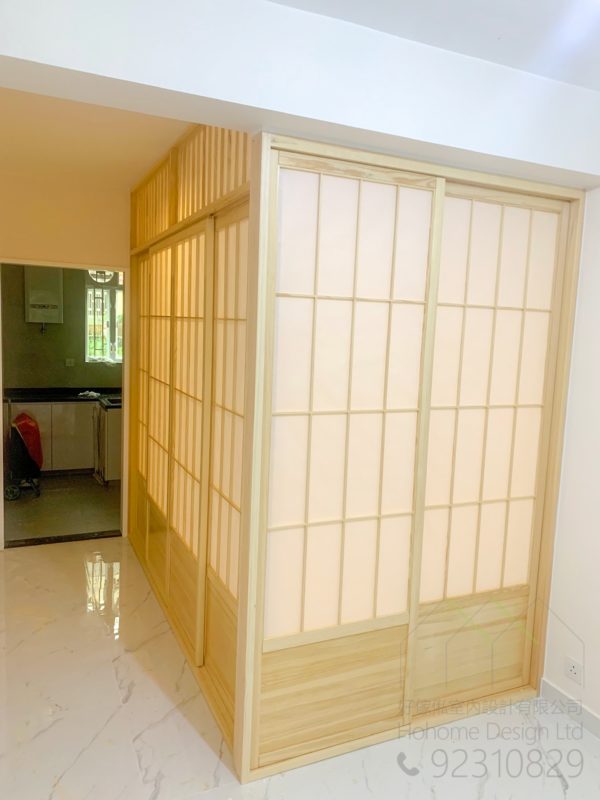
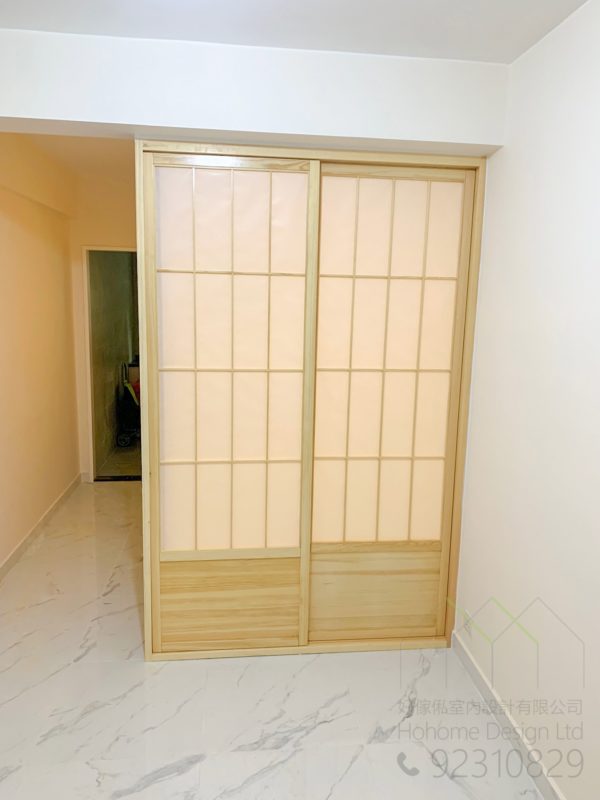
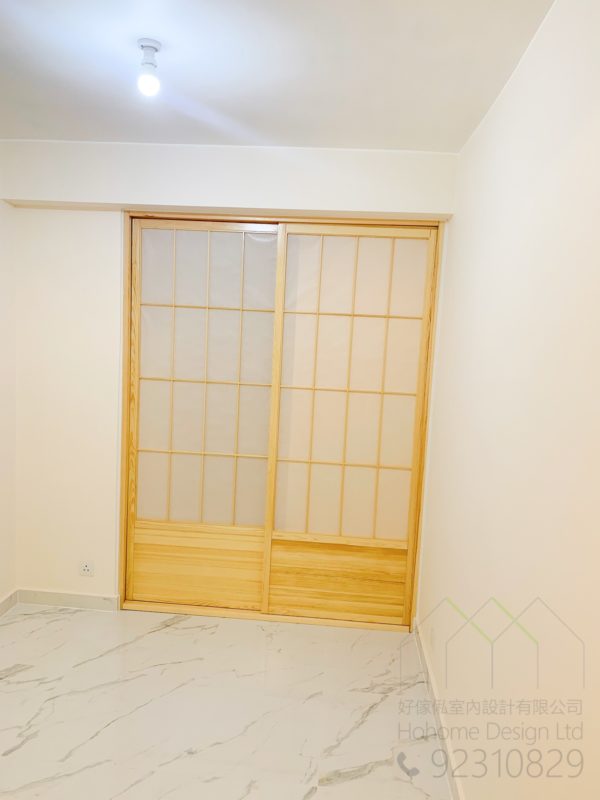
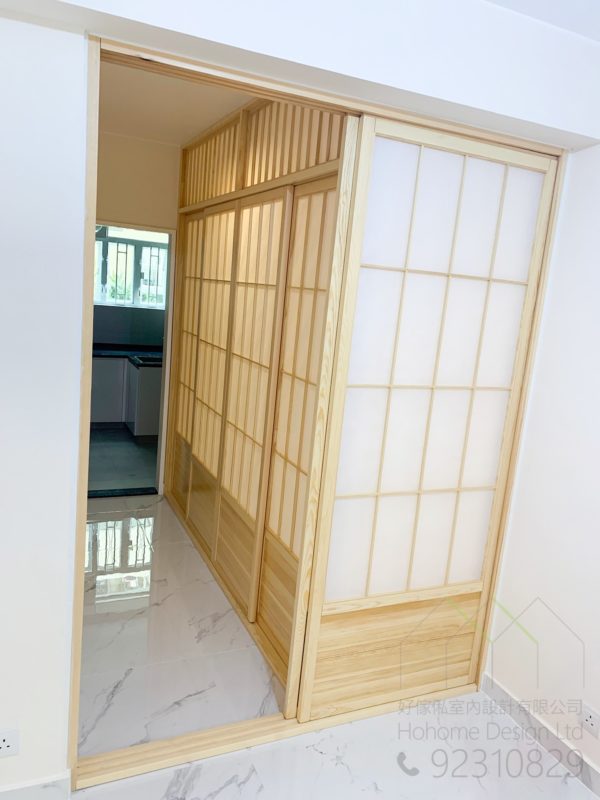
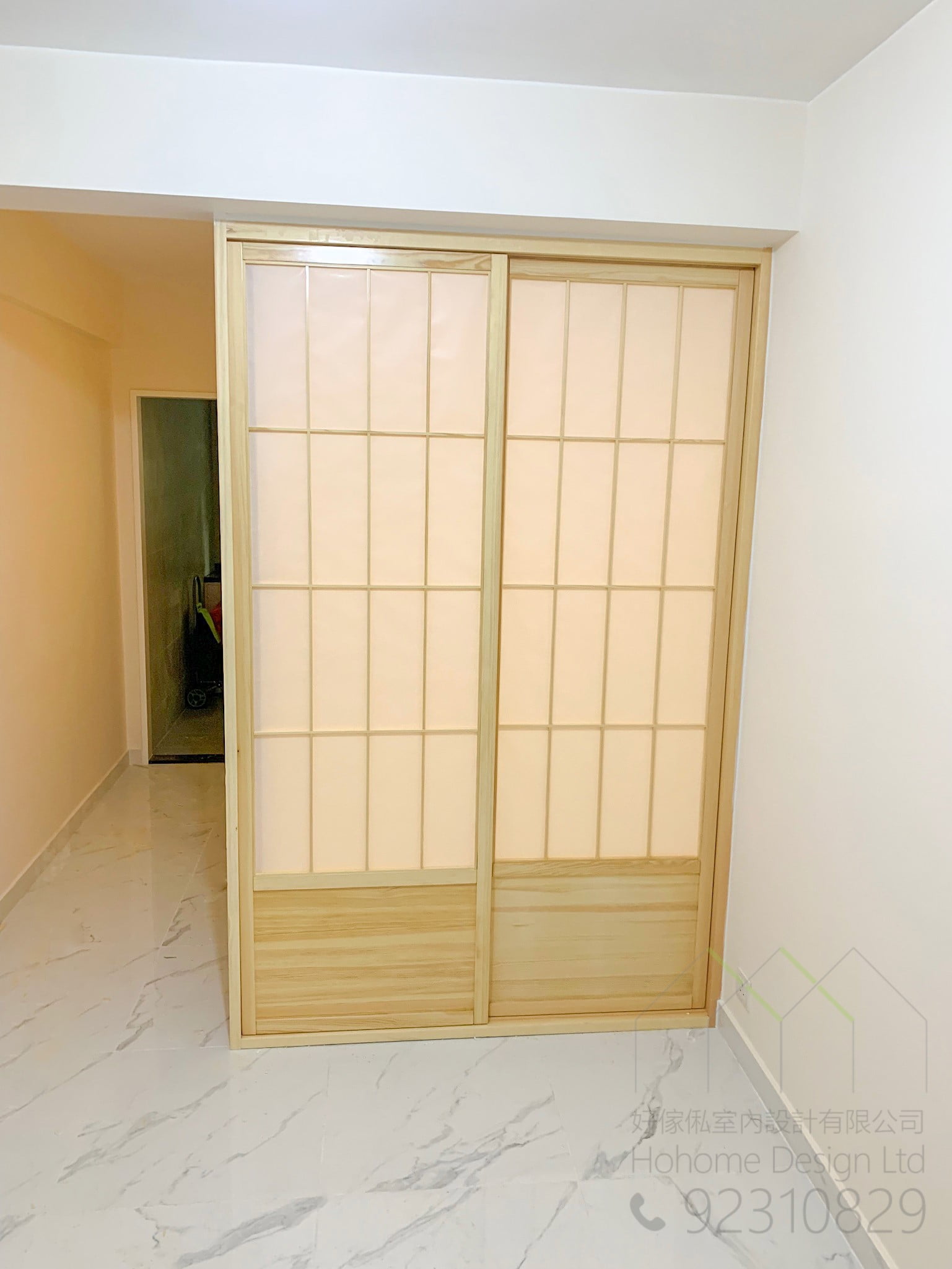
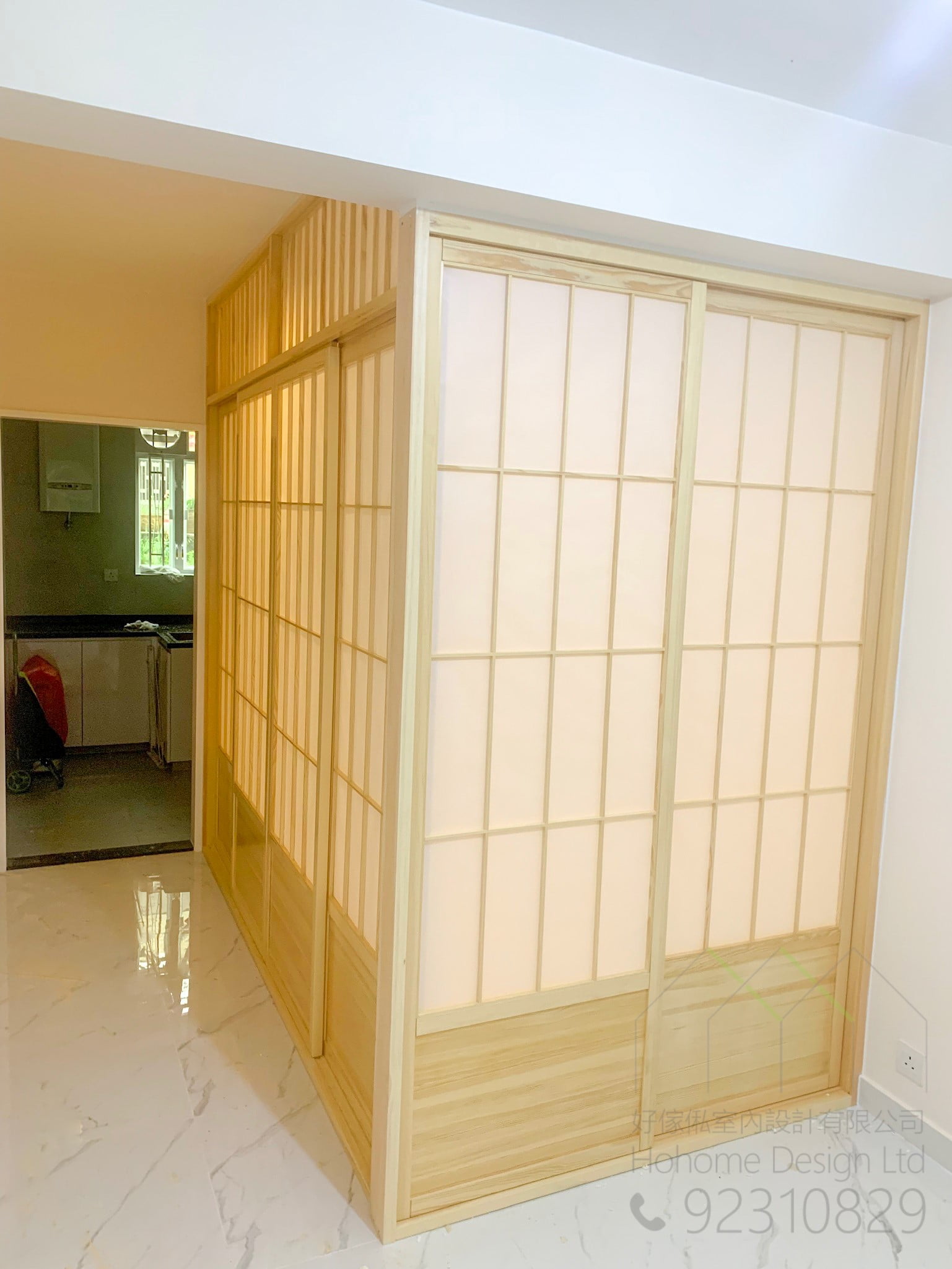
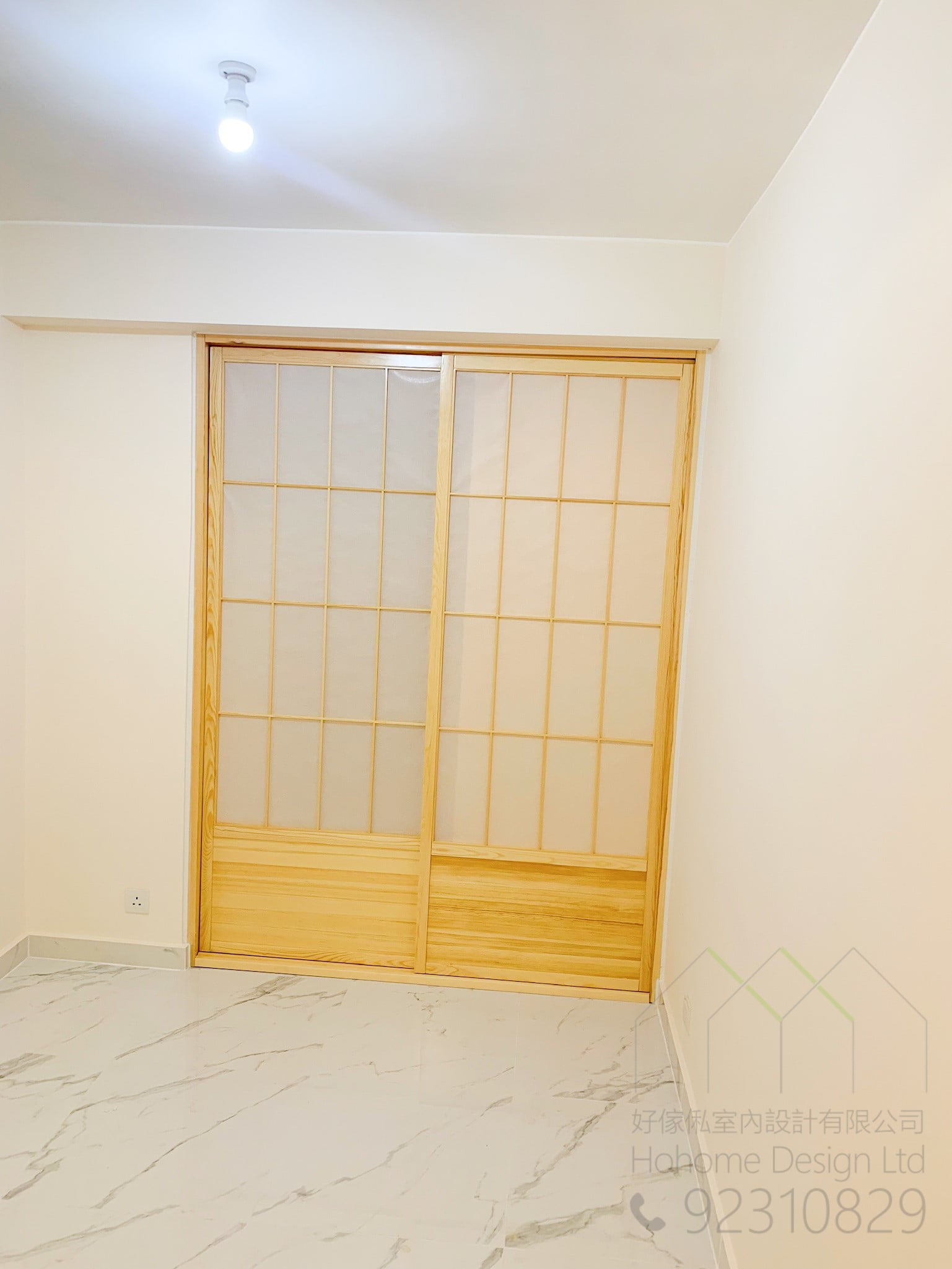
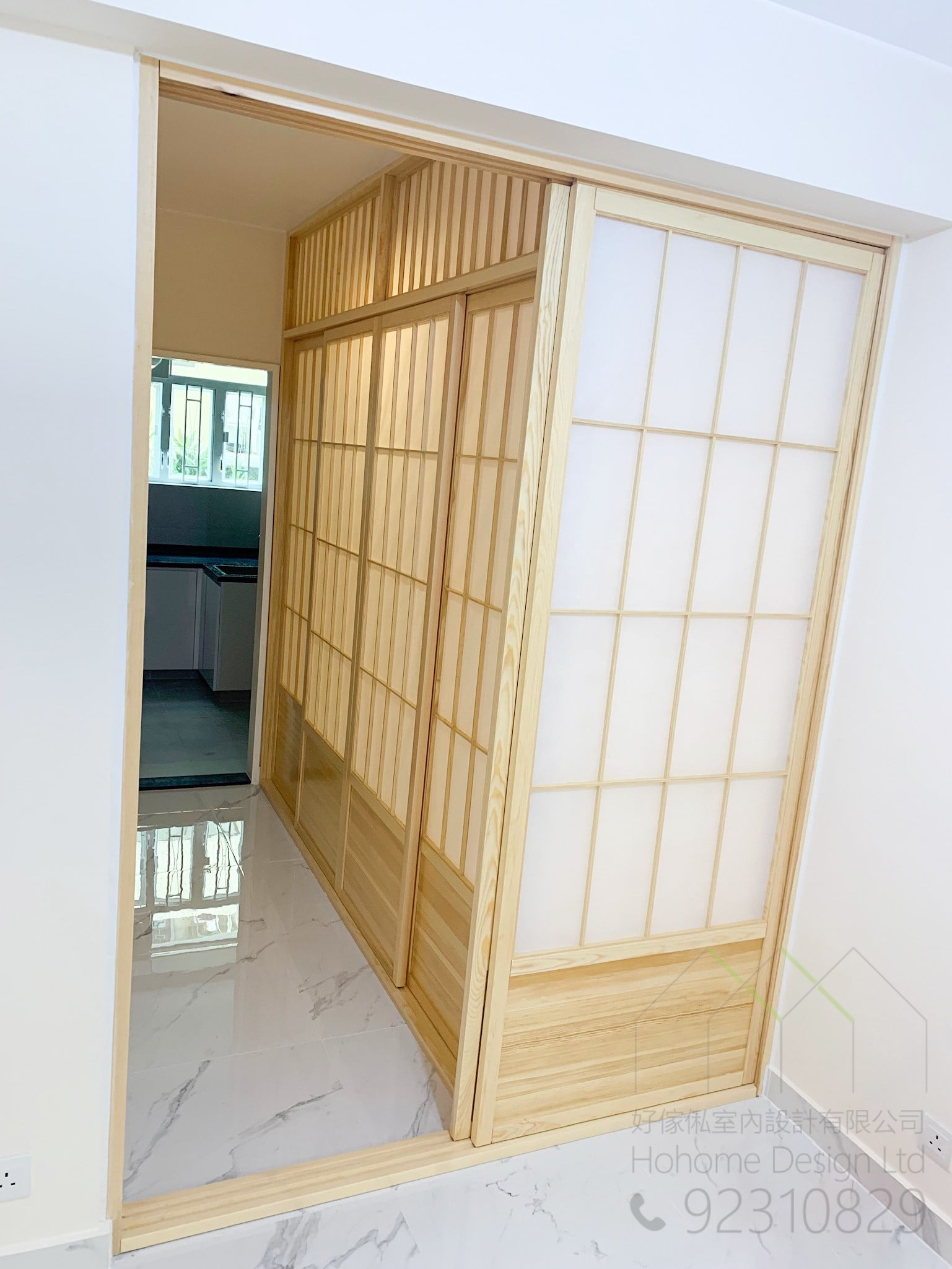
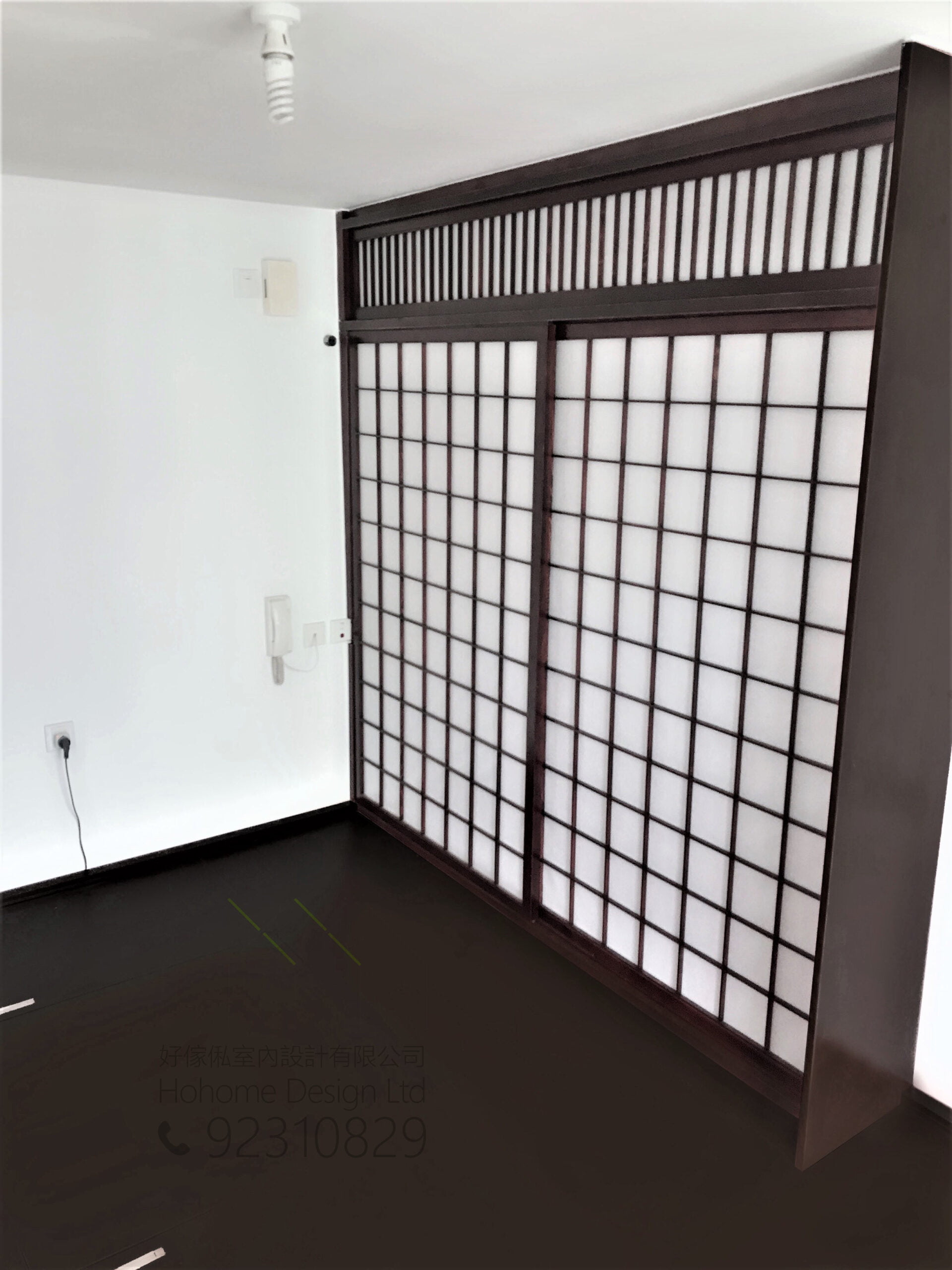
Using Japanese-style Japanese wooden doors to create a home full of Japanese-style wood is the wish of many muji style followers, and they are often a signature feature of a thoughtful home makeover. However, in movie plots, we often see assassins using a finger to add a little saliva and pierce it. They can eavesdrop on the conversations of people in the house, or they can emit poisonous smoke through small holes. In the real world, is it real? This time, when Hao Furniture was installing custom-made Japanese wooden doors for customers, it asked the on-site master to test the authenticity of the movie plot. The results will be relevant, you will know by watching the short film we shot.
The fact is that the plot of the movie is fake. The material used for Japanese wooden doors is not traditional paper, but camphor paper. Made of natural pulp, flax, silk, artificial fiber, etc.
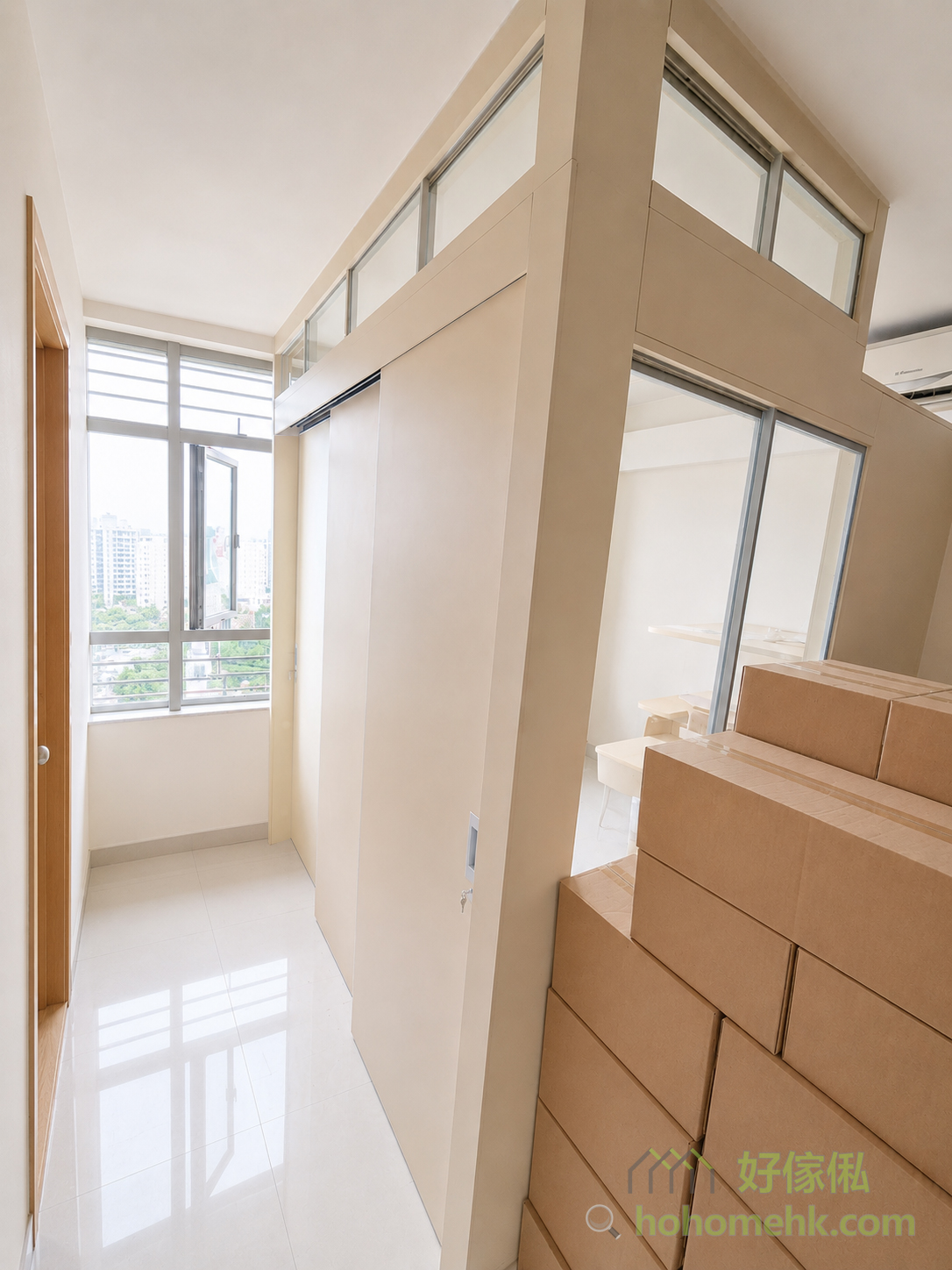
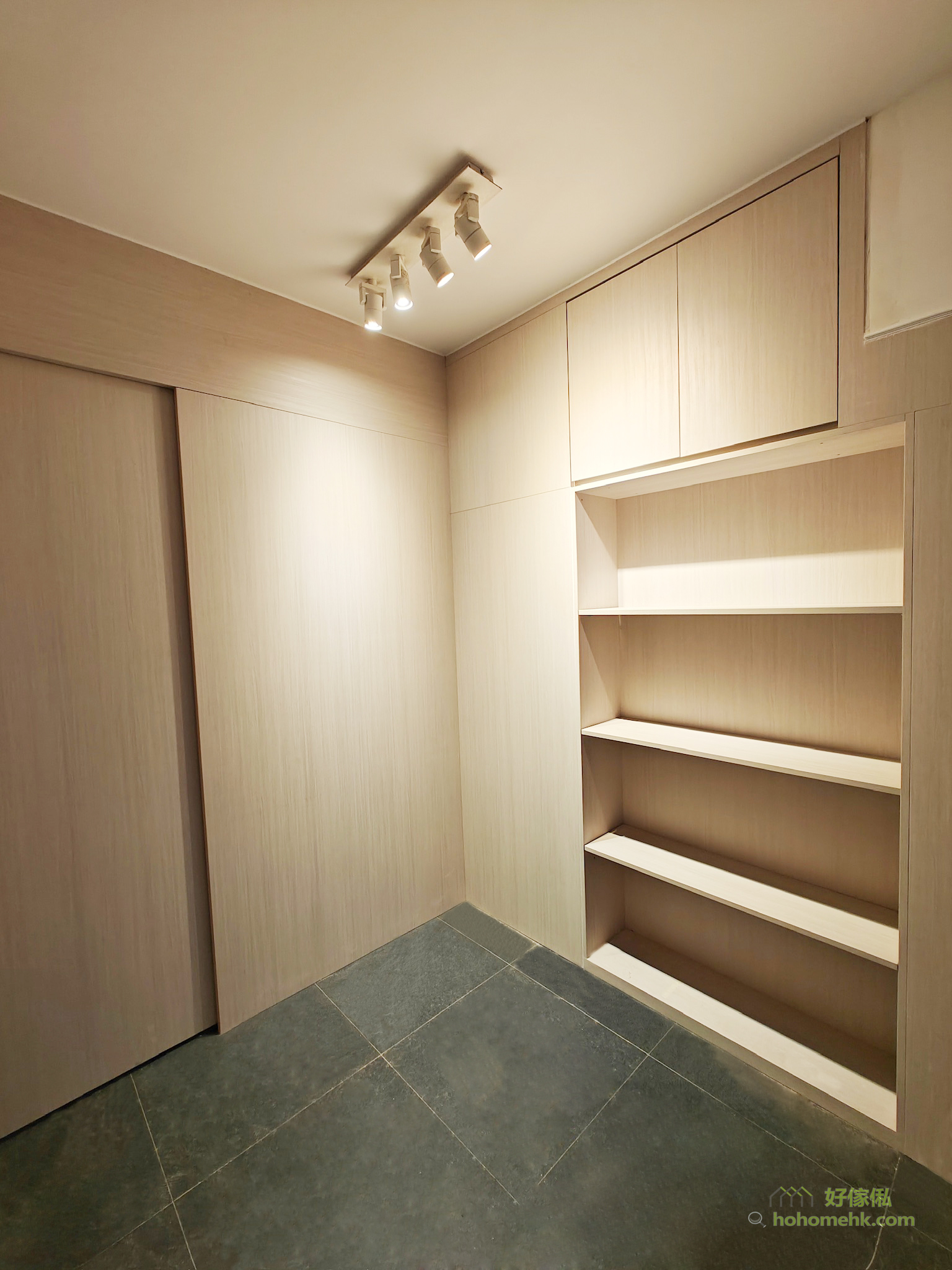
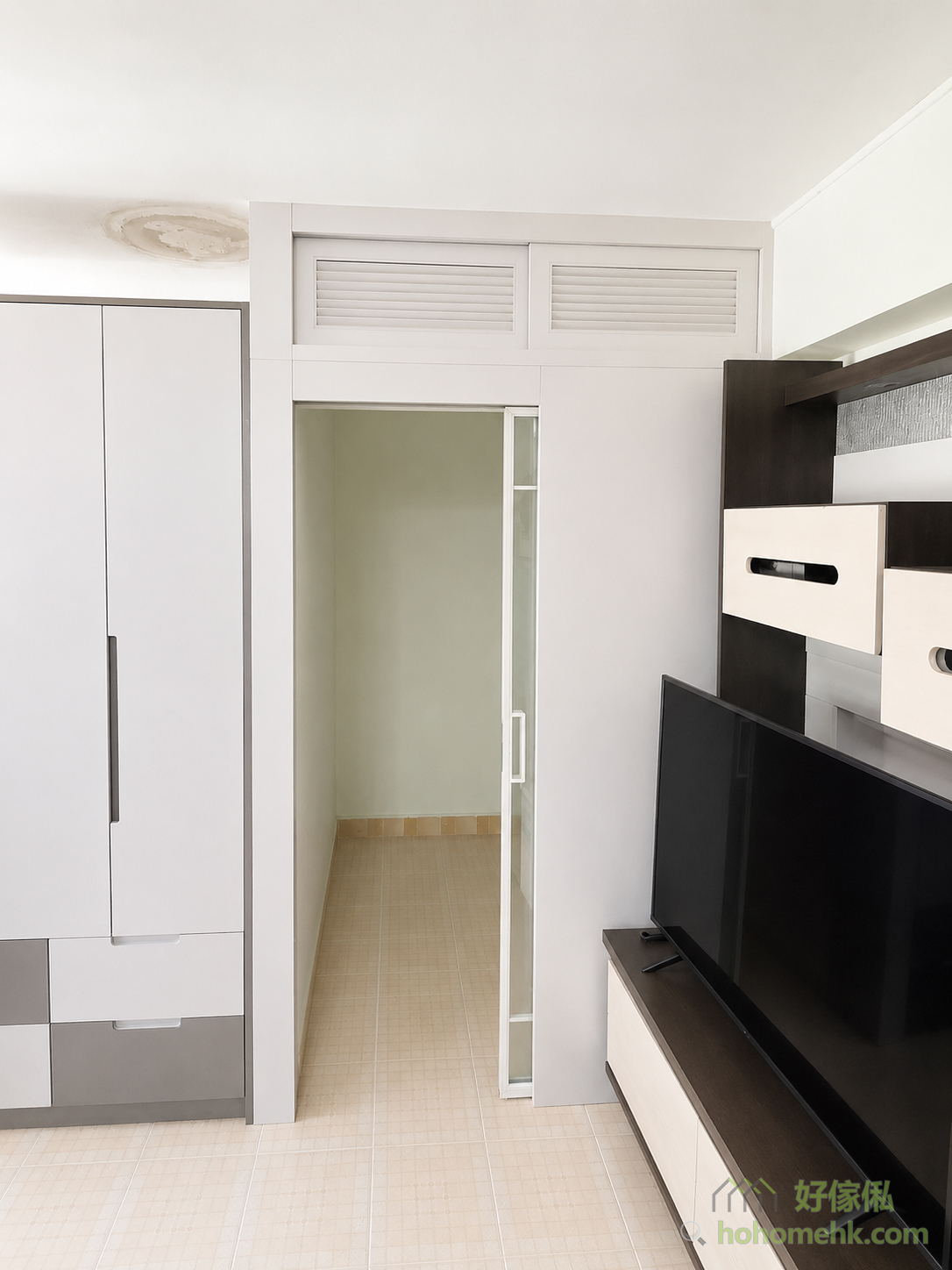
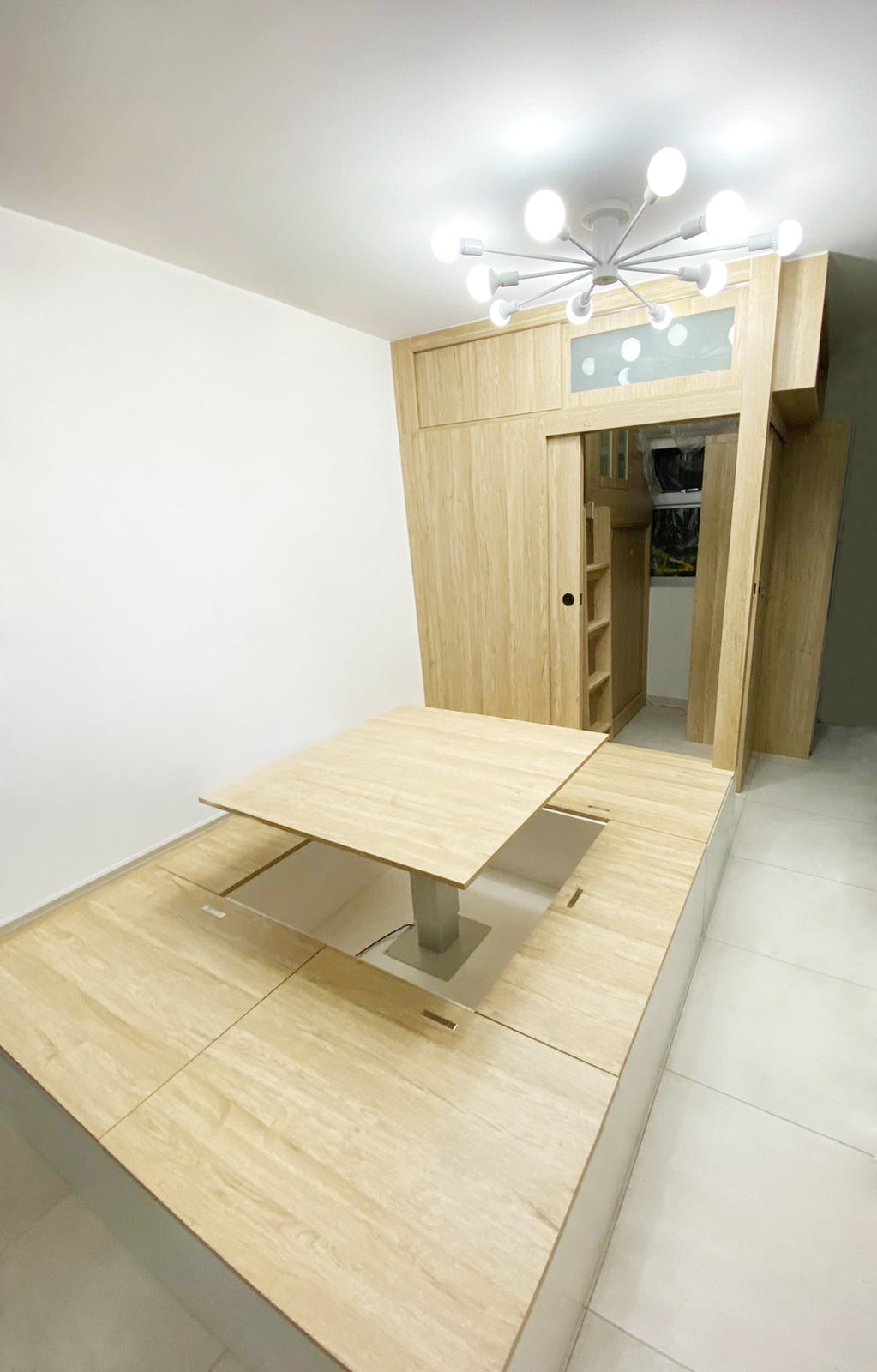
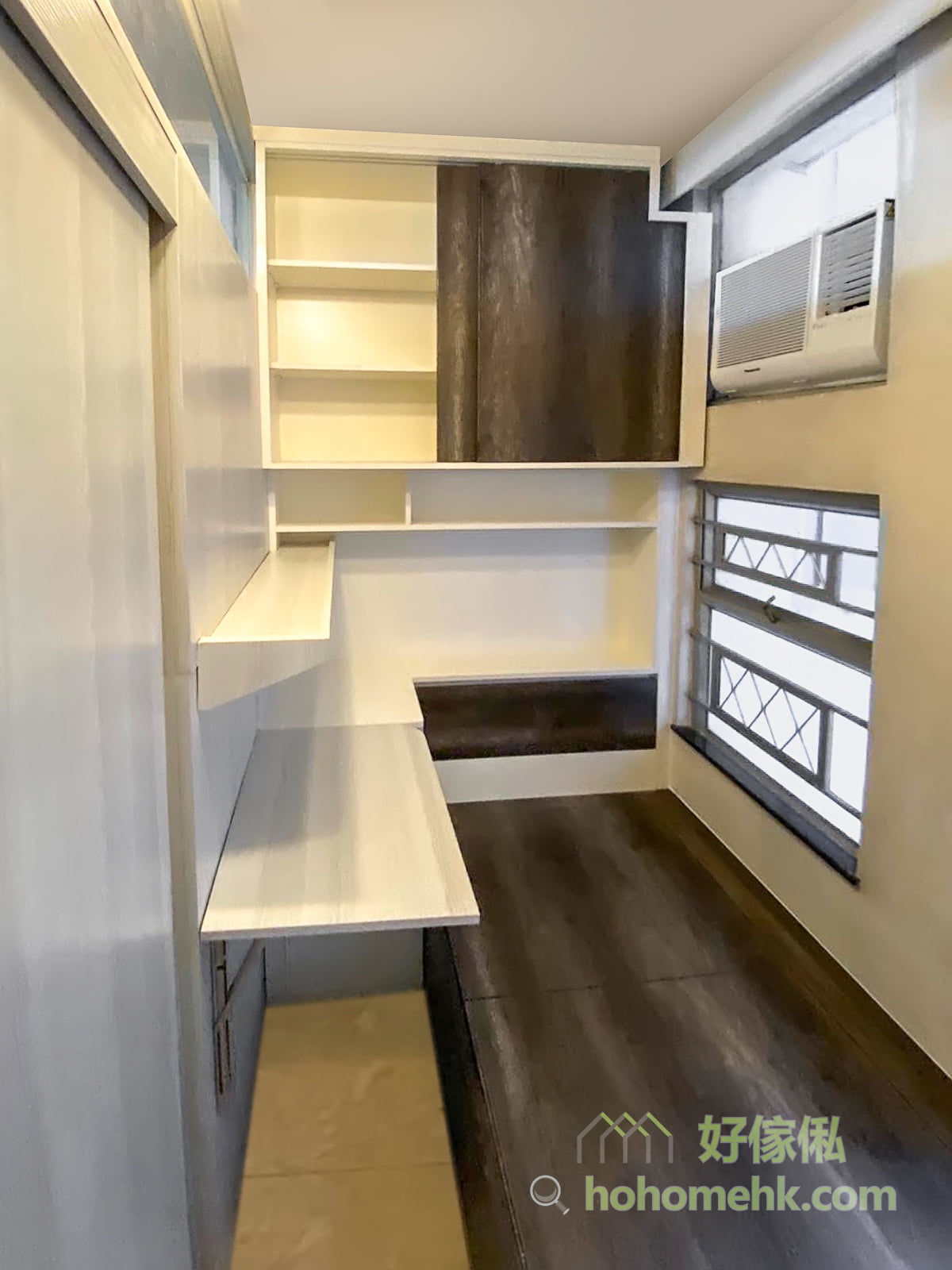
Japanese shoji paper has a history of thousands of years in Japan. Shoji gates, shoji paper and other items were also introduced to Japan during the prosperous Tang Dynasty of my country, but they have flourished in Japan. Shoji paper is called breathing paper (air filter). It is Japan's world-renowned decorative paper for building materials and is used as a shading material in Japanese-style building materials. Nissan's shoji paper is difficult to tear unless it is pierced hard with a very sharp object; it will not change color and has a long service life, which is the same as the service life of doors or windows. There is no need to replace the shoji paper! The shoji paper used in Japanese-style wooden doors can resist ultraviolet rays and absorb tar pigments and toxic gases in the air, for example, and is called an "air filter." Shoji paper is porous. Because the pores can increase or decrease with changes in air temperature and humidity, it can naturally exchange air, absorb moisture and keep warm. It is called "breathing paper". Use shoji doors to create a traditional Japanese-style room environment. When lighting is turned on at night, the soft and unique reflection of the shoji paper itself will make people feel a different warm atmosphere: the eyesight protection and visual experience are unmatched by other interior decorations. of. The Japanese-style Japanese door made of camphor paper has a simple appearance, smooth lines, saves space, is flexible to push and pull, is light to use, has good light transmission, and is easy to install. Here are a few photos of the finished work for your reference.
If you are planning a home renovation or interior fit-out and would like to order custom-made Japanese-style wooden doors, you are welcome to contact our sales team for built-in furniture solutions tailored to your space.
$
Flat K & Flat N, 12/F, King Wing Plaza Phase 1, Shek Mun, Shatin, NT, Hong Kong (Map) Mon. to Sat. 10:00-19:00
17/F, NPAC, 10 North Point Road, North Point, Hong Kong (Map) Mon. to Sat. 10:00-19:00
Unit F, 27/F, Plaza 88, 88 Yeung Uk Road, Tsuen Wan, NT, Hong Kong (Map) Mon. to Sat. 10:00-19:00
電郵地址:請選擇類別